 Reviews



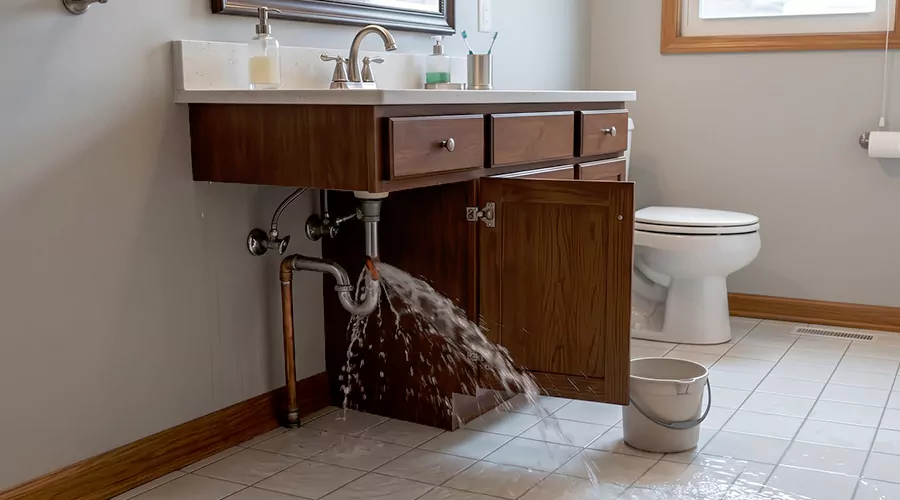
When a pipe bursts in your house, shut off the main water supply immediately if you can reach it safely. Avoid standing water near electrical equipment and keep people away from the damaged area. Once the water has stopped, document the damage and arrange appropriate repairs. A burst pipe can release water into walls or flooring before the damage becomes fully visible. The order of your response matters. Stopping the incoming water should take priority over collecting belongings or attempting to patch the damaged pipe.
What Are the First Steps After a Pipe Bursts?
A burst pipe requires a controlled emergency response. Your first actions should reduce further water loss while keeping everyone away from electrical hazards.
Follow these steps in order:
- Move away from immediate hazards: Avoid water near outlets or electrical equipment.
- Locate the main water shutoff: Use the nearest safe access point.
- Close the valve: Stop water entering the household plumbing.
- Assess electrical safety: Do not enter a flooded area containing energized equipment.
- Relieve remaining pressure: Open accessible faucets when safe and appropriate.
- Document the damage: Photograph the affected areas.
- Arrange repairs: Have the damaged piping inspected.
- Begin safe cleanup: Remove standing water only after hazards have been addressed.
Progressive's June 2026 emergency guidance places shutting off the main supply first, followed by safety assessment and damage documentation. If the shutoff valve is inside a hazardous area, do not attempt to reach it.
Where Is the Main Water Shutoff Valve?
The main shutoff valve controls the property's incoming water supply. Its location varies according to the building's construction and plumbing arrangement.
Common locations include:
- Near the water meter.
- Inside a basement.
- In a utility room.
- Near the point where the service pipe enters the property.
- Inside an accessible plumbing enclosure.
Some properties also have local shutoff valves serving individual fixtures. If an accessible local valve can isolate the damaged section, it may allow other parts of the property to remain supplied. However, when the burst's location is uncertain, shutting off the main supply is generally the more effective way to stop additional water entering the system. Do not force a seized valve.
What Should You Do if Water Reaches Electrical Equipment?
Water near electrical equipment creates a potentially serious hazard. Do not touch wet switches or electrical outlets. Avoid entering flooded rooms when electrical equipment may remain energized. If the electrical panel is accessible from a completely dry location, follow the appropriate safety procedures. Otherwise, keep away from the area and seek qualified assistance.
The American Red Cross advises turning off electricity only when the electrical panel can be reached safely. Its guidance also recommends keeping clear of standing water that may be electrically hazardous. Never attempt to move electrical equipment while standing in water.
How Can You Stop Water From Spreading?
After isolating the supply, the next step is reducing additional damage without entering unsafe areas. Move belongings away from the affected section when it is safe. Use absorbent materials to contain small amounts of clean water. For larger amounts, appropriate water-extraction equipment may be necessary.
However, do not use an ordinary household vacuum to collect standing water. The cleanup method must also account for the type of water involved. Clean water from a supply pipe presents different contamination concerns from wastewater escaping through damaged drainage plumbing.
What Should You Do During the First Hour?
The first hour should focus on controlling hazards and preserving information about the damage. A practical response sequence is shown below.
| Priority | Action | Purpose |
|---|---|---|
| Immediate | Shut off the water | Stop additional flooding |
| Immediate | Avoid electrical hazards | Protect occupants |
| Once safe | Relieve residual pipe pressure | Reduce remaining discharge |
| As soon as practical | Photograph damage | Preserve records |
| Following isolation | Arrange pipe repair | Correct the source |
| Once safe | Begin water removal | Reduce secondary damage |
| Within the first day | Continue drying | Limit prolonged moisture exposure |
An active electrical hazard takes priority over retrieving belongings or taking photographs. Documentation should begin only when the affected area can be accessed safely.
Should You Contact Your Insurance Company?
A burst pipe can damage flooring or ceilings. Depending on the location, water may also reach furniture and other personal belongings. Insurance coverage depends on the policy and the circumstances surrounding the loss.
Sudden accidental water damage may be covered under some homeowners policies. Damage associated with excluded conditions may receive different treatment. Progressive recommends documenting the affected areas and contacting the insurer promptly after a burst pipe.
Keep records of the following:
- Photographs of the damaged pipe.
- Images showing where water entered the property.
- Photographs of damaged building materials.
- A record of affected belongings.
- Repair estimates.
- Receipts for emergency work.
- Communications with the insurer.
Do not delay urgent safety measures simply to obtain additional photographs.
How Can You Document the Damage?
Useful documentation begins with recording the damaged areas before major cleanup or repair work changes their appearance. Take photographs only when the area is safe.
Record:
- The visible pipe failure.
- Water collecting around the damaged section.
- Affected walls.
- Damaged flooring.
- Wet ceilings.
- Damaged furniture.
- Nearby electrical equipment affected by water.
- Other visible consequences of the burst.
Keep damaged components when appropriate and consistent with the insurer's instructions. Do not keep contaminated materials inside occupied areas solely for documentation.
How Quickly Should You Dry the Property?
Removing excess moisture promptly reduces the likelihood of secondary damage. The EPA recommends drying water-damaged areas and materials within 24–48 hours to reduce the risk of mold growth. This is a recommended response period rather than a guarantee that mold cannot appear sooner.
Safe drying measures may include:
- Removing standing clean water.
- Using suitable water-extraction equipment.
- Opening doors and windows when appropriate.
- Increasing ventilation.
- Using dehumidifiers.
- Separating wet belongings.
- Inspecting concealed moisture damage.
Do not operate fans or other electrical equipment in an area that has not been confirmed electrically safe. Large losses or water that may contain sewage require additional precautions.
Can Water Damage Remain Hidden?
Yes. Water can move beneath flooring or collect inside wall cavities. A surface may appear dry while materials beneath it remain damp.
Possible indicators include:
- Moisture stains that continue expanding.
- Swollen wooden materials.
- Softened drywall.
- Persistent musty odors.
- Water appearing in adjacent rooms.
- Moisture returning after surface cleanup.
The EPA emphasizes that drying visible surfaces alone may not address all moisture inside affected building materials. Persistent dampness deserves further investigation.
How Much Does Burst Pipe Repair Cost?
Repair costs depend on the pipe's location and the extent of the damage. A pipe exposed inside an unfinished utility room may be easier to access than one concealed beneath flooring.
| Repair Category | 2026 U.S. Cost |
|---|---|
| Typical burst pipe repair | 200–3,000 |
| Average pipe repair | Approximately $500 |
| Emergency plumbing call | 100–300 |
| Repair per linear foot | 150–250 |
| Extensive repairs with additional damage | Can exceed $5,000 |
These figures reflect Angi's August 2026 national pricing report. Water damage restoration may involve additional expenses. The pipe repair and the restoration of damaged building materials should be considered separately.
When Should You Call a Professional?
A confirmed burst pipe requires appropriate repair before normal water service resumes. Professional assistance is particularly important when the pipe is concealed or extensive damage has occurred.
Seek immediate assistance when:
- The main water supply cannot be isolated.
- Water reaches electrical equipment.
- A pipe has split behind a wall.
- Several plumbing sections appear damaged.
- Freeze damage may extend through additional piping.
- Water is affecting structural materials.
- The source cannot be identified safely.
If water has entered electrical equipment, the appropriate electrical inspection should occur before the affected circuits are restored.
When Can You Turn the Water Back On?
Do not restore the water supply until the damaged pipe has been repaired and the plumbing is ready for testing. Restoring pressure too early can release additional water through the same opening.
Before reopening the supply:
- Confirm that the damaged section has been repaired.
- Check whether additional freeze damage is possible.
- Verify that the necessary connections are complete.
- Follow the repairer's pressure-testing instructions.
- Restore water gradually.
- Inspect the repaired area for leakage.
- Observe nearby connections.
- Stop the test if new moisture appears.
A second failure may become visible after a frozen section thaws.
How Can You Prevent Another Burst Pipe?
Prevention should focus on the condition that caused the original failure. Freezing requires different preventive measures from corrosion or excessive pressure.
Useful steps include:
- Insulate exposed supply pipes.
- Maintain heating during cold weather.
- Disconnect outdoor hoses before freezing temperatures.
- Address confirmed pressure problems.
- Replace severely deteriorated piping.
- Install suitable leak-detection equipment when appropriate.
- Learn how to operate the main water shutoff.
An accessible main valve can reduce the amount of water released if another failure occurs.
Conclusion
When a pipe bursts in your house, stop the incoming water before attempting cleanup. Avoid electrical hazards and document the damage once the area is safe. Arrange a proper pipe repair before restoring the supply. Prompt drying helps reduce the risk of secondary moisture damage. The EPA recommends drying affected materials within 24–48 hours when possible. Locate your main shutoff valve now so it can be reached quickly during another emergency.
Frequently Asked Questions
Should I turn off the main water supply after a pipe bursts?
Yes. Close the appropriate shutoff valve immediately when it can be reached safely.
Should I turn off the electricity?
Only when it can be done safely. Do not enter standing water to reach an electrical panel.
Can I repair a burst pipe with tape?
Certain products can temporarily control minor leaks. A completely split pipe generally requires a proper repair.
Will homeowners insurance cover burst pipe damage?
Coverage depends on the policy and circumstances. Review the policy and contact the insurer.
How soon should I begin drying the property?
Begin once electrical and other hazards have been addressed. The EPA recommends drying wet materials within 24–48 hours when possible.